

Pelvic Floor-Friendly Posture, Lifting and Everyday Movement for Women with Light Bladder Leaks
Pelvic Floor-Friendly Posture, Lifting and Everyday Movement for Women with Light Bladder Leaks
Maybe you’ve noticed it happens in the same moments again and again: you bend quickly to pick up a laundry basket, lift a heavy grocery bag from the car, or lean over the bathtub to wash it — and you feel that tiny, unwelcome drip. It’s not a flood, but it’s enough to make you tense up, check your underwear, and quietly worry about what might happen next time.
If you live with light to moderate bladder leaks, the way you sit, stand, lift, and move through your day really does matter. Small changes in posture and movement can mean less pressure on your pelvic floor, fewer leaks, and a calmer mind. At the same time, you deserve solutions that hold you gently in the background, like LushGuard™ leakproof underwear, so you’re not constantly worrying about every step you take.
In this gentle guide, we’ll walk through everyday habits — from how you sit at your desk to how you lift shopping bags — and how to make them kinder to your bladder and pelvic floor, without turning your life into a “posture project”.
Why Posture and Everyday Movement Matter for Your Bladder
Your pelvic floor is a group of muscles and soft tissues at the base of your pelvis. In simple terms, it’s like a supportive hammock that helps hold your bladder, bowel, and, for many women, the uterus. When this “hammock” is under extra pressure, light leaks are more likely to show up — especially with movements like lifting, bending, coughing, or laughing.
Everyday posture plays a big role in how much pressure your pelvic floor has to handle. Think about:
- Sitting slumped forward at your laptop for hours, with your belly pushing down on your pelvis.
- Standing with your weight hanging into one hip, causing your pelvis to tilt and placing more load on one side.
- Bending from your waist instead of your hips and knees, so all the effort lands in your lower back and pelvic area.
- Holding your breath when you lift something heavy, which increases pressure inside your abdomen and pushes down on the pelvic floor.
None of this means you’ve “broken” anything or that you’re doing life wrong. It simply means your body is doing its best with the habits it has learned. The good news: your posture and movement habits are changeable, gently and gradually, at any age.

Common Ways Posture and Lifting Add Extra Pressure
Most women with light bladder leaks don’t spend their days doing dramatic gym lifts. The pressure usually comes from small, repeated choices throughout the day. Here are some typical patterns:
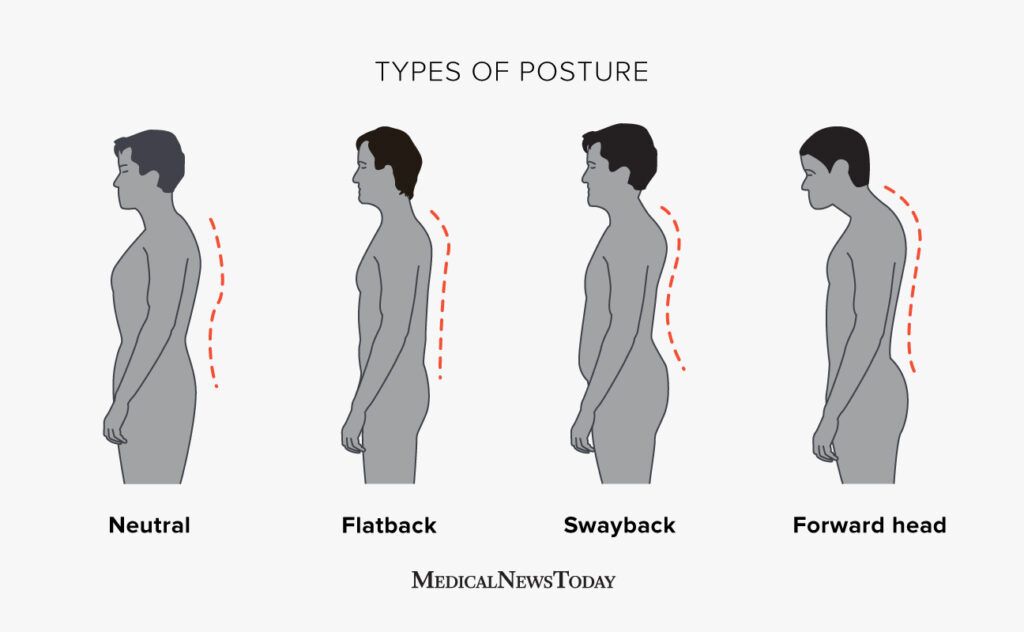
1. Long hours of slouched sitting
Whether you’re at a desk, driving, scrolling on your phone, or relaxing on the sofa, slouching rounds your lower back and lets your belly spill forward. This pushes more weight onto your pelvic floor. Over time, the muscles can feel tired and less responsive, so small leaks sneak in when you cough, laugh, or stand up quickly.
2. Bending from the waist instead of the hips and knees
Picture picking a laundry basket up from the floor by folding over like a “hinge” at your waist. Your head, shoulders, chest, and the weight of the basket all swing forward. That creates a big downward force into your pelvis. If your pelvic floor is already under strain from age, childbirth, or hormonal changes, a little leak in that moment is very understandable.
3. Carrying heavy loads away from your body
When bags, boxes, or even toddlers are held out in front or to one side, your back and pelvic floor need to work harder to stabilize you. Holding the weight close to your body and sharing it between both sides of your body helps reduce this pressure.
4. Holding your breath when you strain
Many women instinctively hold their breath when they lift something heavy, stand up from a low seat, or push furniture. This “bearing down” increases pressure inside your abdomen, which then presses downward on the bladder and pelvic floor. Learning to exhale gently as you lift can make a surprisingly big difference.
5. Standing or walking with your pelvis pushed forward
Sometimes, to feel “tall”, we push the hips forward and lean back at the upper body. This posture can compress the lower back and keep the pelvic floor under constant tension. Over a full workday, that’s a lot of extra demand on muscles that are already trying to support you.
None of these patterns are “bad” in a moral sense — they’re just habits. And like any habit, they can be softened and reshaped bit by bit, supported by small choices and by practical products such as LushGuard™ leakproof underwear that take away some of the fear of a visible leak while you practice new ways of moving.
Everyday Symptoms You Might Notice
Women often describe light bladder leaks in terms of small but frustrating moments rather than medical labels. You might recognize yourself in some of these:
- A few drops when you bend quickly to pick something up from the floor.
- A light leak when you lift a heavy grocery bag, laundry basket, or grandchild.
- Feeling a tiny “release” in your underwear after you’ve been sitting for a long time and then stand up.
- A sense of heaviness or tiredness in your pelvic area after a day of housework or standing at work.
- Needing to change into a fresh pair of underwear in the late afternoon “just to feel clean”.
- Worry that if you sneeze or cough while holding something, you might leak through your clothes.
How It Shows Up in a Typical Day
Imagine a woman in her 40s, 50s, or early 60s — we’ll call her Sara. Here’s how posture, lifting, and movement can affect her bladder leaks from morning to evening.
Morning: Sara loads the washing machine, bends at her waist to pick up the basket, then twists to reach for the detergent. A tiny leak. She squeezes her legs together, pretends nothing happened, and goes to change her underwear.
Commute and work: She sits in the car in a slightly slumped position, then spends hours at her desk leaning into the screen. By lunchtime, her lower back feels tight and her pelvic area feels “heavy”. She wears discreet LushGuard™ underwear so she doesn’t have to worry if a small leak happens when she rushes to a meeting.
Shopping and errands: After work, she carries two heavy bags in one hand, her shoulder pulled down on that side. When she steps off the curb and the bags swing, she feels another tiny leak and immediately thinks, “I hope it doesn’t show.”
Home and housework: She leans over the bed to smooth the sheets, stands on tiptoes to reach cupboards, and crouches awkwardly to wipe a spill. Each time, her posture and breath-holding add pressure to her pelvic floor.
Evening: By the time she sits on the sofa, she’s tired — not just physically, but emotionally from managing her movements all day. She wants to relax, not keep scanning for every situation that might cause a leak.
If any part of Sara’s story sounds familiar, you are far from alone. Many women between 35 and 65 share similar experiences — they just don’t always talk about them.

Gentle, Expert-Backed Tips for Pelvic Floor-Friendly Movement
You don’t need a perfect body or a strict exercise regime to ease some of this pressure. Simple, everyday adjustments can be powerful — especially when combined with reliable protection like LushGuard™ leakproof underwear that quietly catches light leaks while you experiment.
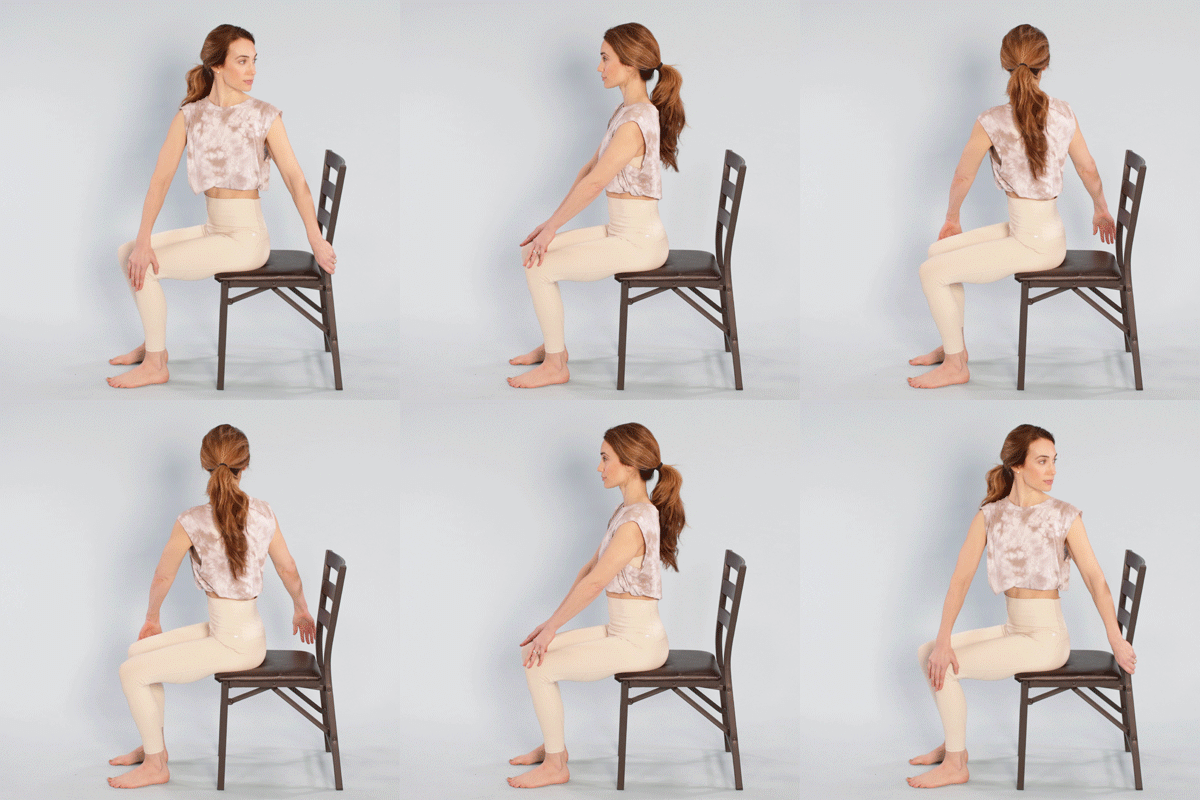
1. Softer sitting: support your spine and pelvis
- Try to have your hips slightly higher than your knees when you sit (a small cushion under your hips can help).
- Place both feet flat on the floor instead of tucking one leg underneath you.
- Imagine a string gently lengthening you from the crown of your head, so your ribs are stacked over your hips.
- Every 30–45 minutes, stand up, take a few steps, and reset your posture.
2. Kinder standing posture
- Instead of locking your knees and pushing your hips forward, soften your knees slightly and keep your hips over your ankles.
- Distribute your weight between both feet rather than hanging into one hip for long periods.
- Gently draw your lower ribs back over your pelvis, so your chest isn’t flaring up and back.
3. Lifting with an exhale
Whenever you lift something — a basket, a box, a toddler — practice this simple sequence:
- Stand close to the object so you don’t have to reach far.
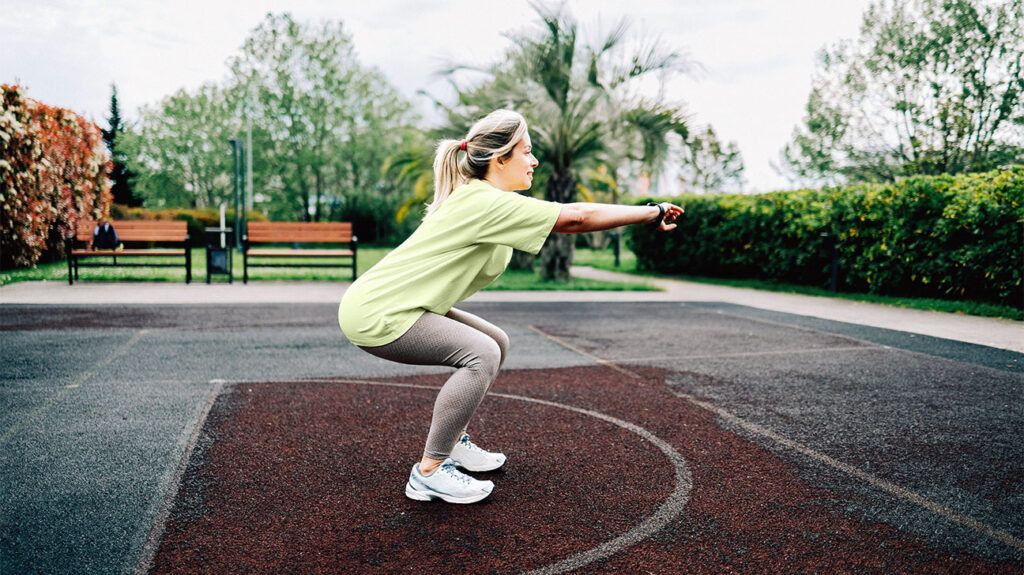
- Bend your hips and knees, keeping your back long rather than rounding.
- As you start to lift, breathe out gently through your mouth, like you’re blowing out a candle.
- Hug the load close to your body as you stand up.
That gentle exhale helps reduce the spike of pressure on your pelvic floor. Over time, it can become your new automatic habit.
4. Sharing the load
- Use two bags instead of one when shopping, so you can carry one in each hand.
- Ask for help with very heavy items — this is not a test of strength or character.
- Use trolleys, laundry baskets on wheels, or smaller loads when you can.
5. Micro-movements through the day
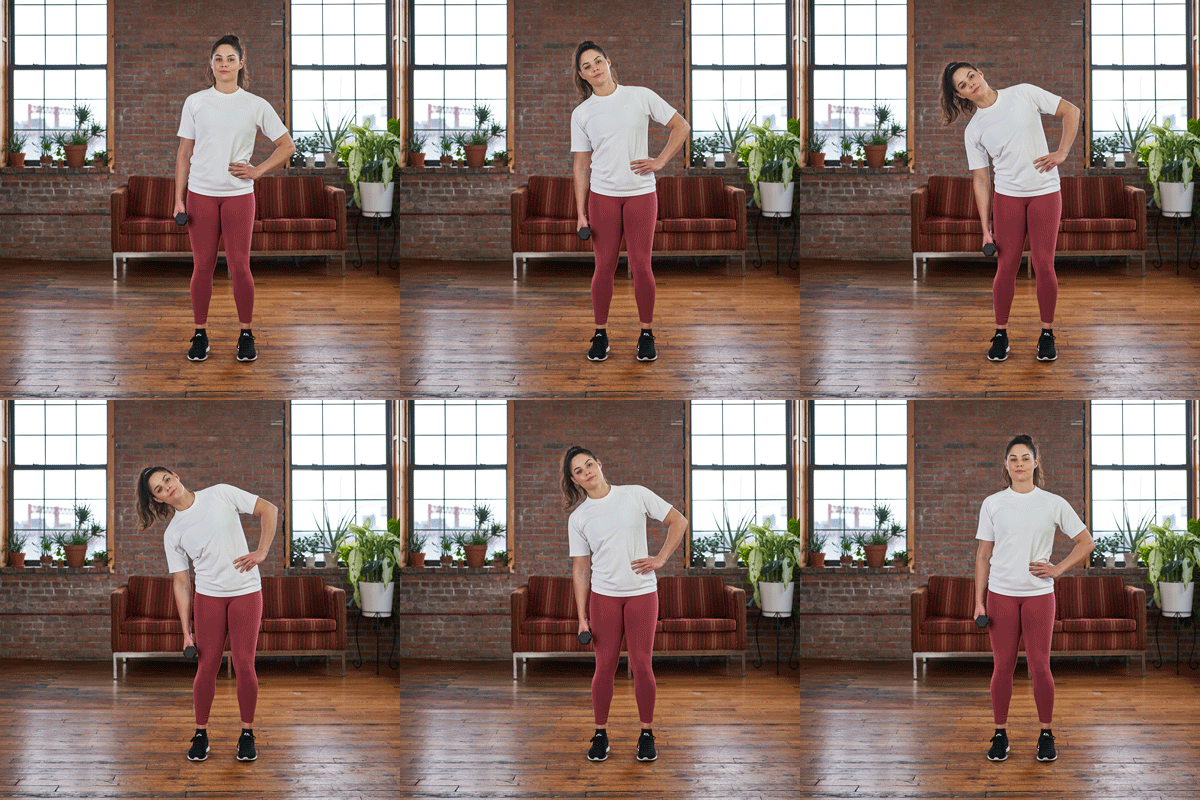
Gentle movement helps keep your muscles responsive and your body less stiff, which can support your pelvic floor. Short walks, light stretching, and changing positions regularly can all help without needing intense workouts.
You can pair these habits with comfortable, breathable protection such as LushGuard™ underwear for light to moderate leaks, so leaks don’t become a reason to avoid moving.
Pelvic Floor Mini-Guide: 5 Gentle Steps
This is not a medical exercise program, and it’s always a good idea to speak with a pelvic health physiotherapist if you’re unsure what’s right for you. But for many women, a simple “awareness routine” can help reconnect with these important muscles.
Step 1: Find your pelvic floor
While sitting or lying down, imagine you’re gently trying to stop yourself passing gas or urine. The small “lift” you feel inside — that’s your pelvic floor. You don’t need to squeeze hard; a soft, subtle activation is enough for awareness.
Step 2: Connect breath and support
Try this once or twice a day:
- Inhale gently, letting your belly and ribs expand without forcing it.
- As you exhale, imagine a gentle upward “hug” at the pelvic floor and a soft drawing in of your lower belly.
- Relax fully between each breath so you’re not gripping all the time.
Step 3: Use the “exhale + lift” cue for everyday tasks
When you stand up from a chair, lift something, or push a heavy door, try to:
- Exhale slowly.
- Add a gentle pelvic floor “hug” as you move.
- Release fully afterwards.
Step 4: Check in with your posture once or twice a day
Stand with your back against a wall — head, shoulder blades, and back of your pelvis touching if you can. Notice how this “stacked” posture feels. Then step away and carry a bit of that feeling into your day.
Step 5: Be kind to yourself
If a leak happens, it doesn’t erase your progress. Leaks can still occur even when you’re doing “everything right”. That’s why having supportive products like LushGuard™ leakproof underwear matters — they give you freedom to practice without fear of embarrassment.
What Not to Do (Gently, No Blame)
- Don’t hold your breath during lifting or straining — it increases downward pressure.
- Don’t grip your pelvic floor all day in a constant hard squeeze. Muscles also need to relax.
- Don’t drastically cut fluids to avoid leaks. Very concentrated urine can irritate the bladder and make urgency worse.
- Don’t ignore persistent pain in your pelvis, lower back, or hips — it deserves proper attention.
- Don’t rely on bulky pads 24/7 if they make you sweaty, itchy, or self-conscious. There are gentler options.

When to Seek Medical Advice
Light leaks with certain movements are common, especially after childbirth, around menopause, or with age. Still, there are times when it’s important to speak with a healthcare professional, such as a doctor, nurse, or pelvic health physiotherapist. Reach out if you notice:
- Pain, burning, or stinging when you pass urine.
- Blood in your urine.
- Sudden, severe change in your leaking pattern.
- Leaking that happens even when you’re lying still or asleep.
- Strong pelvic or lower back pain that doesn’t ease with gentle rest and movement.
- Any worry that something doesn’t feel “right” in your pelvic area.
Getting proper medical support is not a sign you’ve failed — it’s a sign that you value your comfort and health.
How LushGuard™ Helps You Move with More Ease
While posture and movement changes work quietly in the background, it’s also important to feel protected in the foreground. That’s where LushGuard™ leakproof underwear for bladder leaks can support you day to day.
- Soft, breathable comfort: designed to feel like real underwear, not plastic or paper.
- Discreet absorbency: built for light to moderate leaks, so you can bend, lift, and laugh without constantly checking for marks.
- Odor-control support: technology that helps you stay fresh through long days, car journeys, or busy shifts.
- Feminine design: shapes and details that look like your favorite underwear, not medical products.
- Reusable and washable: simply rinse, wash, and air-dry for repeated use — kinder to your wallet and the planet.
Many women wear LushGuard™ as their everyday base layer — especially on busier days with more lifting and moving — and then add a thin liner only if they want extra peace of mind. You can discover LushGuard™ styles and absorbency options here and choose what feels right for your body and your day.
Pads, Adult Diapers, or LushGuard™? A Simple Comparison
| Feature | Disposable Pads | Adult Diapers | LushGuard™ Leakproof Underwear |
|---|---|---|---|
| Comfort | Can feel plasticky, may rub or bunch up. | Often bulky and warm, can feel like “gear”. | Soft fabric, designed to feel like everyday underwear. |
| Discretion under clothes | Lines may show with tighter outfits. | Bulk often visible under fitted clothes. | Low-profile; looks like regular underwear for most outfits. |
| Odor experience | Needs frequent changing to stay fresh. | Can feel stuffy if worn for long hours. | Built-in odor-control support plus breathable fabric. |
| Cost over time | Ongoing weekly/monthly purchases. | Higher cost per piece, plus frequent replacement. | Reusable — initial investment that can reduce long-term costs. |
| Environment | Single-use plastic waste. | Large volume of landfill waste. | Washable and reusable, less overall waste. |
| Best for | Occasional backup or very rare leaks. | Heavier incontinence on medical advice. | Light to moderate leaks in everyday life. |
Three Everyday Stories of Moving with More Confidence
Emma, 38 – lifting kids and laundry
Emma has two young children, a full-time job, and what she calls “busy-mum leaks”. She used to bend over quickly to scoop up toys, laundry, and toddlers — and felt a drip almost every time. She started practicing “exhale and bend with soft knees” and swapped bulky pads for LushGuard™ underwear. The leaks didn’t disappear overnight, but her anxiety did. She feels safer lifting her kids, and if a small leak happens, she knows it’s absorbed.
Laila, 52 – housework and long shifts
Laila works on her feet most of the day, then comes home to housework. By evening, her back used to ache and her pelvic area felt heavy. After learning to stand with her hips over her ankles, switching sides regularly, and lifting with her legs instead of her back, she noticed fewer “surprise drips”. Wearing leakproof underwear that still feels pretty also helped her feel less like a “patient” and more like herself.
Jo, 61 – walking, gardening, and grandkids
Jo loves gardening and taking her grandchildren to the park, but sudden coughs or lifting watering cans sometimes triggered leaks. She began doing short posture checks against a wall, taking mini walking breaks, and using the “exhale + gentle pelvic floor hug” cue when she lifted heavier pots. Together with her LushGuard™ pairs for everyday wear, she feels more comfortable planning full, active days again.
FAQ: Posture, Movement and Light Bladder Leaks
- Does bad posture cause bladder leaks?
- Poor posture alone doesn’t “cause” leaks, but it can add extra pressure to your pelvic floor and make existing leaks more noticeable. Gentle posture improvements can reduce that load, especially when combined with supportive products.
- Is it too late to change my posture in my 50s or 60s?
- It’s never too late to make small, helpful changes. You don’t need a perfect, rigid posture — just kinder habits like softer knees, a long spine, and avoiding long slumped periods.
- Can I still lift heavy things if I have light bladder leaks?
- Many women can lift safely by keeping loads close, bending at the hips and knees, and exhaling as they lift. If you have pain, heaviness, or medical concerns, check with a healthcare professional first.
- Do I need to wear diapers if I only have light leaks when lifting?
- Not usually. For many women, reusable absorbent underwear like LushGuard™ offers enough protection for light to moderate leaks, without the bulk or feeling of diapers. Talk to your healthcare provider if you’re unsure what level of protection you need.
- How many pairs of leakproof underwear do I need if I’m active?
- It depends on how often you leak and how often you do laundry. Some women feel comfortable with 3–5 pairs they rotate through the week; others prefer more for busy or travel days.
- Will pelvic floor exercises alone “fix” my leaks?
- Pelvic floor exercises can help some women, especially when guided by a professional, but they’re not a magic cure. Posture, lifting habits, fluid intake, and overall health all play a role. Think of exercises as one piece of a bigger comfort plan.
- Is it normal to feel a bit of heaviness in my pelvis after a long day?
- A mild feeling of tiredness can happen if your pelvic floor has been working hard (for example, standing or lifting all day). Persistent heaviness, bulging, pain, or a feeling of “something falling” should be checked by a healthcare professional.
- Can tight jeans or shapewear make leaks worse?
- Very tight clothing around your abdomen can increase pressure on your bladder and pelvic floor. Looser waistbands or high-waist styles that don’t dig in are often more comfortable for women with leaks.
- How should I wash leakproof underwear to keep it comfortable?
- Usually, it’s best to rinse in cool water after wearing, then wash on a gentle cycle with mild detergent and air-dry. Avoid fabric softeners and very high heat, which can affect absorbency. Always follow the care instructions on your LushGuard™ pieces.
- Should I avoid exercise because of leaks?
- Movement is generally helpful for your whole body, including your pelvic floor. If higher-impact exercise triggers leaks, you might choose walking, gentle strength training, or yoga while you explore support with a physiotherapist. Wearing absorbent, comfortable underwear can make it easier to stay active without worry.
Conclusion: You Deserve to Move Through Your Day with Ease
Light bladder leaks don’t mean you have to stop lifting your grandchildren, carrying your shopping, or living your life. With kinder posture, gentler lifting habits, and a bit more awareness of how you move, you can ease some of the pressure on your pelvic floor — without turning your days into a list of strict rules.
Remember: your body is not broken and you are not alone. Many women quietly face the same drips, worries, and small adjustments. With soft support from pelvic floor-friendly habits and practical protection like LushGuard™ leakproof underwear, you can step into your day feeling more like yourself again — upright, supported, and free to move.


